Taking care of your teeth is super important for your overall health. And when it comes to oral care, the toothbrush is your main tool. But have you ever stopped to think about all the different kinds of toothbrushes out there? It's not just a simple choice anymore; there's a whole world of options designed for different needs and preferences. Let's dive into the differences between toothbrushes, so you can pick the one that's best for you!
Manual Toothbrushes: The Classic Choice
These are the toothbrushes most of us grew up with. They're simple: a handle and bristles. Manual toothbrushes come in a variety of bristle types (soft, medium, hard) and head sizes.
- Bristle Type: Soft bristles are generally recommended by dentists because they are gentle on your gums and enamel. Medium and hard bristles can sometimes damage your gums or wear down your tooth enamel over time.
- Head Size: Choose a head size that allows you to reach all areas of your mouth comfortably, including the back teeth.
- Pros: Manual toothbrushes are inexpensive and readily available. They don't require any batteries or charging.
- Cons: They rely entirely on your technique. It's up to you to make sure you're brushing correctly and for the right amount of time (two minutes, twice a day is the general recommendation).
Powered Toothbrushes: Taking the Effort Out of Brushing
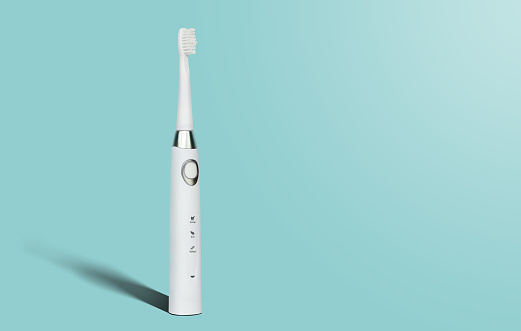
Powered toothbrushes, also known as electric toothbrushes, use battery power to vibrate or rotate the brush head.
- Oscillating-Rotating: These brushes have a small, round head that rotates back and forth to clean each tooth individually.
- Sonic: These brushes vibrate at a high frequency, creating sonic waves that help to remove plaque and debris.
- Features: Many powered toothbrushes come with built-in timers to ensure you brush for the recommended two minutes. Some even have pressure sensors that alert you if you're brushing too hard.
- Pros: Powered toothbrushes can be easier to use than manual toothbrushes, especially for people with limited dexterity. They can also be more effective at removing plaque and improving gum health.
- Cons: They are generally more expensive than manual toothbrushes, and you'll need to replace the brush heads regularly.
Specialty Toothbrushes: Addressing Specific Needs
Beyond the standard manual and powered options, there are toothbrushes designed for specific purposes.
- Interdental Brushes: These small, cone-shaped brushes are designed to clean between your teeth, where regular toothbrushes can't reach. They are particularly useful for people with braces or those who have undergone restoration dentistry such as implants or bridges, where cleaning around the margins of the restoration is key to longevity.
- Single-Tufted Brushes: These brushes have a small, compact head with a single tuft of bristles. They are ideal for cleaning hard-to-reach areas, such as the back teeth or around dental work.
- Tongue Scrapers/Brushes: While not technically toothbrushes, many toothbrushes have a textured surface on the back of the head designed for cleaning the tongue. This helps to remove bacteria and freshen breath.
Making the Right Choice
The best toothbrush for you depends on your individual needs and preferences. Talk to your dentist about which type of toothbrush they recommend. Factors to consider include your oral health, any specific dental concerns you may have, and your personal preferences. Remember, the most important thing is to brush regularly and effectively, no matter what type of toothbrush you choose. Consistent and proper oral care is the key to a healthy smile!