Thinking about getting dental veneers? Or maybe you already have them? Either way, knowing how to properly care for them is super important to keep your smile bright and your veneers looking great for years to come. Veneers are a fantastic way to enhance your smile and improve your confidence, but they do require some attention to maintain their beauty and longevity. This information will guide you through the best practices for veneer care.
What are Dental Veneers?
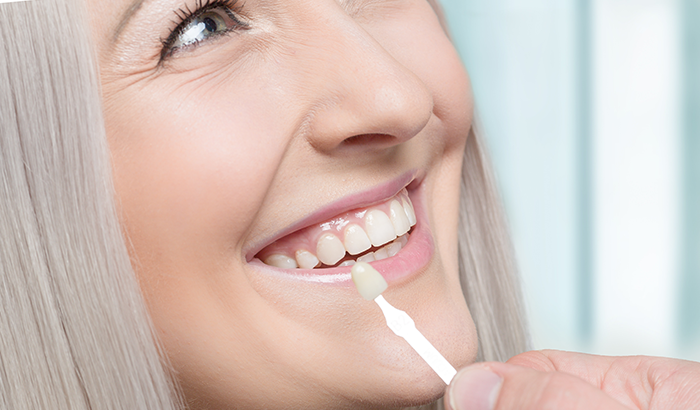
First, let's quickly recap what dental veneers actually are. A veneer is a thin, custom-made shell, usually made of porcelain or composite material, that's bonded to the front surface of a tooth. They're a popular cosmetic option for fixing chipped, cracked, discolored, or misshapen teeth. Veneers can dramatically improve the appearance of your smile.
Daily Oral Hygiene is Key
Just like natural teeth, veneers need consistent and thorough oral hygiene. Brushing twice a day with a soft-bristled toothbrush is essential. Use a gentle, non-abrasive toothpaste. Abrasive toothpastes can scratch the surface of your veneers, making them look dull over time.
Flossing daily is equally important. Floss removes plaque and food particles from between your teeth and along the gumline, preventing gum disease and decay that can compromise the integrity of the underlying tooth structure supporting your veneers. Proper flossing technique is important to avoid damaging your gums. Ask your dental professional to show you the best method.
Choosing the Right Products
The products you use play a significant role in veneer care. As mentioned earlier, avoid abrasive toothpastes. Look for toothpastes specifically designed for sensitive teeth or those labeled as non-abrasive.
Mouthwash can also be beneficial, but choose an alcohol-free option. Alcohol can weaken the bonding material that holds your veneers in place. Fluoride mouthwashes can help strengthen the enamel around your veneers, protecting them from decay.
Watch What You Eat and Drink
Certain foods and drinks can stain or damage veneers. Highly pigmented beverages like coffee, tea, and red wine can cause discoloration over time. Acidic foods and drinks, such as citrus fruits and soda, can erode the bonding material.
While you don't necessarily have to avoid these items completely, moderation is key. Rinse your mouth with water after consuming staining or acidic substances to minimize their impact on your veneers.
Avoid Bad Habits
Certain habits can put excessive stress on your veneers and shorten their lifespan. Avoid biting your nails, chewing on ice, or using your teeth to open packages. These activities can chip or crack your veneers.
If you grind your teeth at night (bruxism), talk to your dentist about getting a nightguard. A nightguard will protect your veneers (and your natural teeth) from the damaging effects of grinding.
Regular Dental Checkups
Regular dental checkups are crucial for maintaining the health of your veneers and your overall oral health. Your dentist can assess the condition of your veneers, identify any potential problems early on, and provide professional cleanings to remove plaque and tartar buildup. These visits allow your dentist to monitor the integrity of the veneer margins and ensure they are still properly sealed.
The Importance of Early Care
Proper care for your veneers, from the start, is important for maintaining their cosmetic appearance. By following these simple guidelines, you can enjoy a beautiful, confident smile for many years to come. Remember, diligent oral hygiene, careful food and drink choices, and regular dental visits are the keys to long-lasting veneers and a healthy smile