
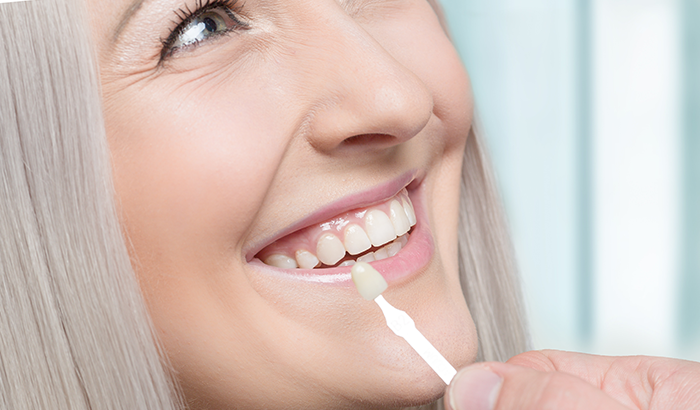
Thinking about improving your smile? You might have heard about veneers. They are a popular way to get a brighter, straighter, and more confident smile. But what exactly are veneers, and are they right for you? Let's explore this common cosmetic dentistry option.
What Veneers Are Made Of
Veneers are thin shells that are custom-made to fit over the front surface of your teeth. Think of them like a mask or covering for your existing teeth. They are usually made of one of two materials: porcelain or composite resin.
Porcelain veneers are very popular because they look incredibly natural. Porcelain reflects light in a way that's very similar to real tooth enamel. They are also strong and resistant to staining, meaning your bright smile can last for many years.
Composite resin veneers are made of a tooth-colored filling material. They are often a more affordable option. Composite veneers can usually be completed in a single visit, while porcelain typically requires two appointments. However, composite veneers are not as stain-resistant or durable as porcelain.
Why People Choose Veneers
People choose veneers for a variety of reasons to enhance their smile. Here are some common concerns that veneers can address:
- Discolored Teeth: Veneers can cover teeth that are permanently stained or discolored, even from medications or root canals.
- Chipped or Broken Teeth: A veneer can restore a chipped or slightly broken tooth to its original shape and appearance.
- Gaps Between Teeth: Veneers can close small gaps between teeth, creating a more uniform smile.
- Misaligned or Uneven Teeth: While not a substitute for orthodontics (like braces), veneers can correct minor misalignment or unevenness, making teeth appear straighter.
- Smaller-than-average teeth: Veneers can make teeth that appear too small, more proportional.
The Process of Getting Veneers
The process usually involves a few steps. First, you'll have a consultation with your dentist to discuss your goals and determine if veneers are the right option for you.
If you decide to move forward, your dentist will prepare your teeth. This usually involves removing a small amount of enamel from the front of your teeth to make room for the veneers. An impression (mold) of your teeth is then taken and sent to a dental laboratory. The lab uses the impression to create your custom veneers.
While the lab is creating your veneers, you may receive temporary veneers to protect your prepared teeth. Once your permanent veneers are ready, you'll return to the dentist. They will carefully bond the veneers to your teeth using a special dental adhesive.
Taking Care of Your Veneers
With proper care, veneers can last for many years. Here are a few tips to keep your veneers looking their best:
- Brush and floss regularly: Just like your natural teeth, veneers need to be brushed and flossed daily to remove plaque and prevent gum disease.
- Avoid abrasive toothpaste: Use a non-abrasive toothpaste to avoid scratching the surface of your veneers.
- Limit staining foods and drinks: While porcelain veneers are stain-resistant, they are not stain-proof. Limit your consumption of coffee, tea, red wine, and other staining foods and drinks.
- Don't use your teeth as tools: Avoid using your teeth to open packages or bite your nails, as this can damage your veneers.
- Wear a mouthguard: If you grind your teeth at night, wear a mouthguard to protect your veneers from damage.
- Regular dental checkups: Visit your dentist regularly for checkups and cleanings.
Veneers are a great option for many people who want to improve their smile. Understanding what they are, what they can do, and how to care for them is the first step in deciding if veneers are right for you. Talk to your dentist to discuss your smile goals and explore all your options.